Archive Registry // Maritime
The Fleet Manifest
The Langley Brothers fleet evolved in two distinct phases: the foundational era of wooden sailing ships and the modern era of steam-powered vessels. This manifest catalogs the ships that flew the Langley house flag.
Phase I: The Age of Sail
Vine
1873Constructed in 1873 directly by the firm's founder, Robert T. Langley. The Vine served as a primary early cargo carrier, establishing the firm's reputation for reliability in the dangerous cedar trade.
Jonathan
Pre-1880An early foundational vessel utilised for navigating the shallow river bars of the northern rivers to extract raw timber and deliver essential domestic supplies.
Dolphin
1878Built in 1878 on the Bellinger River. Dimensions: 76.1 ft x 20 ft x 7 ft. The Dolphin was wrecked on the Brunswick River bar on February 19, 1887, after grounding on rocks during an attempted crossing.
[ View Logbook Ref ]Vale
Pre-1890Under the command of Captain Lalliott, the Vale was dismasted in a severe gale in 1895 off Cudgen Headland while carrying coal from Newcastle. It was blown 50 miles northeast of Moreton Bay before being rescued and towed to Byron Bay.
Kent
Pre-1889One of the larger sailing vessels in the fleet, the Kent was lost with all hands in the devastating easterly gale of 1889–1890, vanishing without a trace.
Sussex
Pre-1889Lost alongside the Kent in the 1889–1890 gale. The only evidence of the vessel's demise was a single lifebuoy that eventually washed ashore at Coffs Harbour.
Heroine
Pre-1898A cargo schooner that succumbed to the perilous coastal conditions, lost off Kirra in the 1898–1899 season.
Alfred Fenning
1882Built in 1882 at Cape Hawke. Purchased by Langley Bros circa 1900. It was wrecked 2 kilometres south of Crescent Head in June 1914 after losing its sails in a violent storm.
[ View Logbook Ref ]Cooloon (1)
1895Built in 1895 at Balmain. Sold to C.S.R. circa 1902 and hulked by 1934.
[ View Logbook Ref ]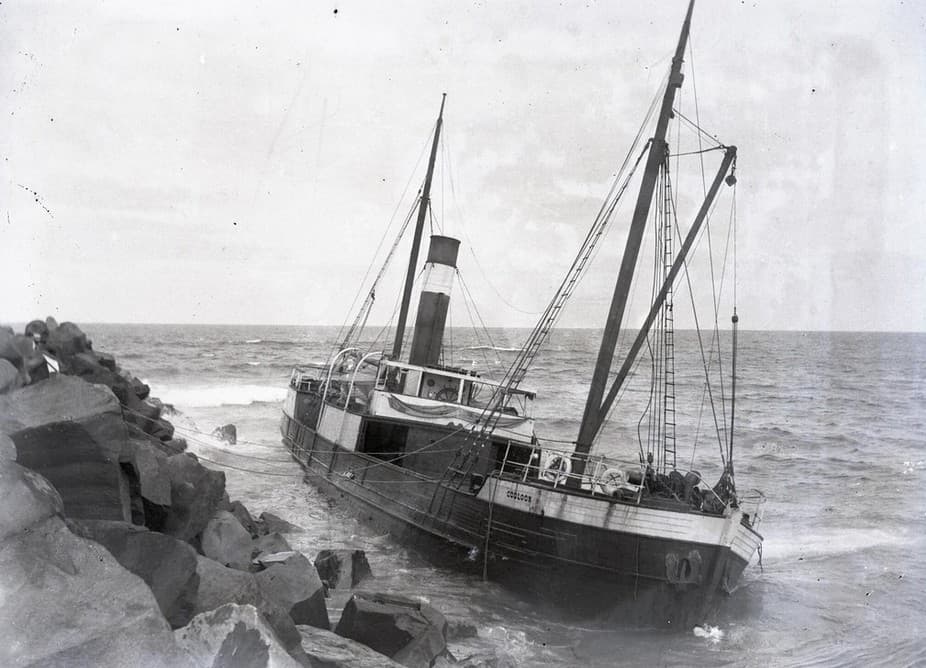
Phase II: Transition to Steam
Pelican
1854An early iron paddle steamer built in Sydney in 1854. Owned jointly by R. Langley and T. Hogan, it marked the firm's initial, experimental foray into steam propulsion.
Terranora
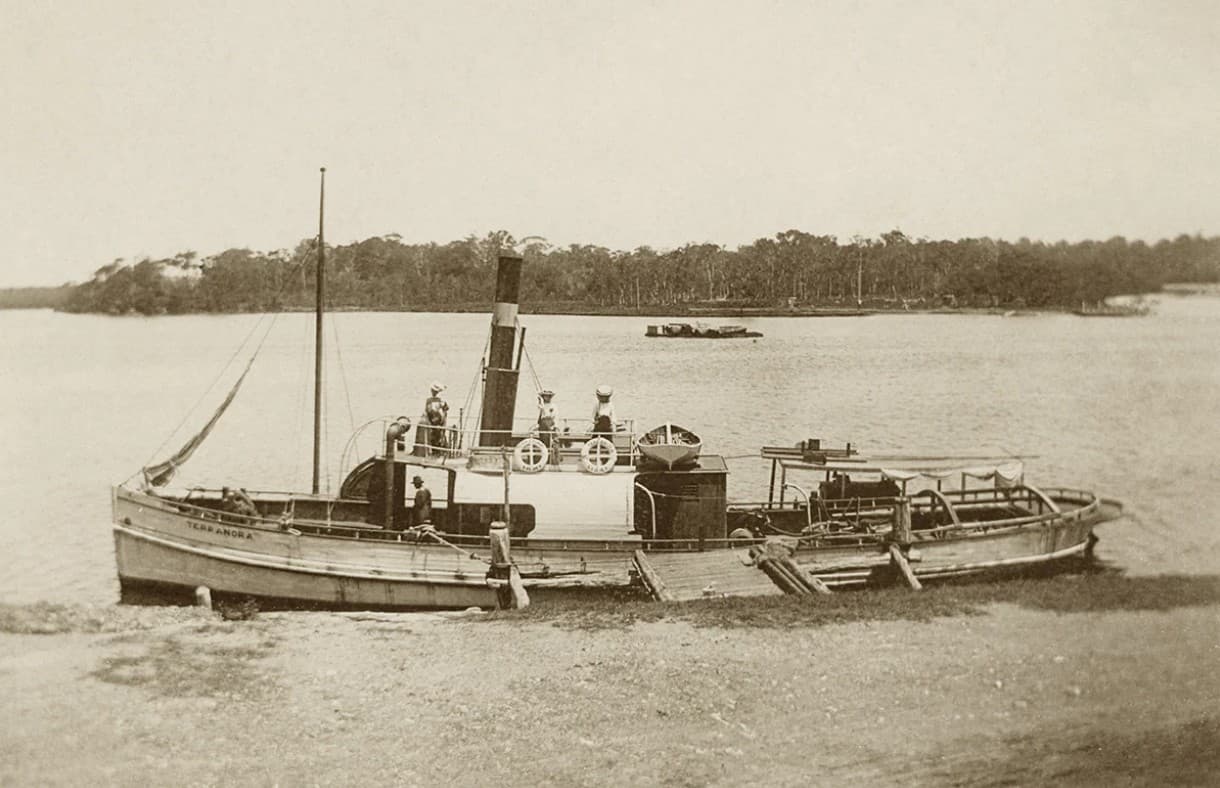
1896Built in 1896, this 60-ton tug served a vital role at Tweed Heads. It replaced the tug Tweed and guided larger, less manoeuvrable cargo vessels over the notoriously dangerous river bar.
Duroby
1902Built in 1902 at Coopernook by Daniel Sullivan. Featured compound engines and modern electric lighting. It served the critical Tweed–Sydney route.
[ View Logbook Ref ]Cooloon (2)
1904Built in 1904 at the Langley Vale mill. It featured luxurious mahogany and pine panelling. The vessel was tragically lost at Manning Heads in February 1917 after striking the bar.
[ View Logbook Ref ]Boambee
1908Built in 1908 at Bellingen. Powered by twin compound steam engines. The vessel was the subject of a high-profile 1919 compensation case regarding the death of its mate, George Dannevig.
Cobaki
1918Built in 1918 in Balmain. The vessel was famously fitted with the salvaged engines from the wrecked Cooloon. It was sold to the North Coast Steam Navigation Co. in 1925.
[ View Logbook Ref ]Dorrigo
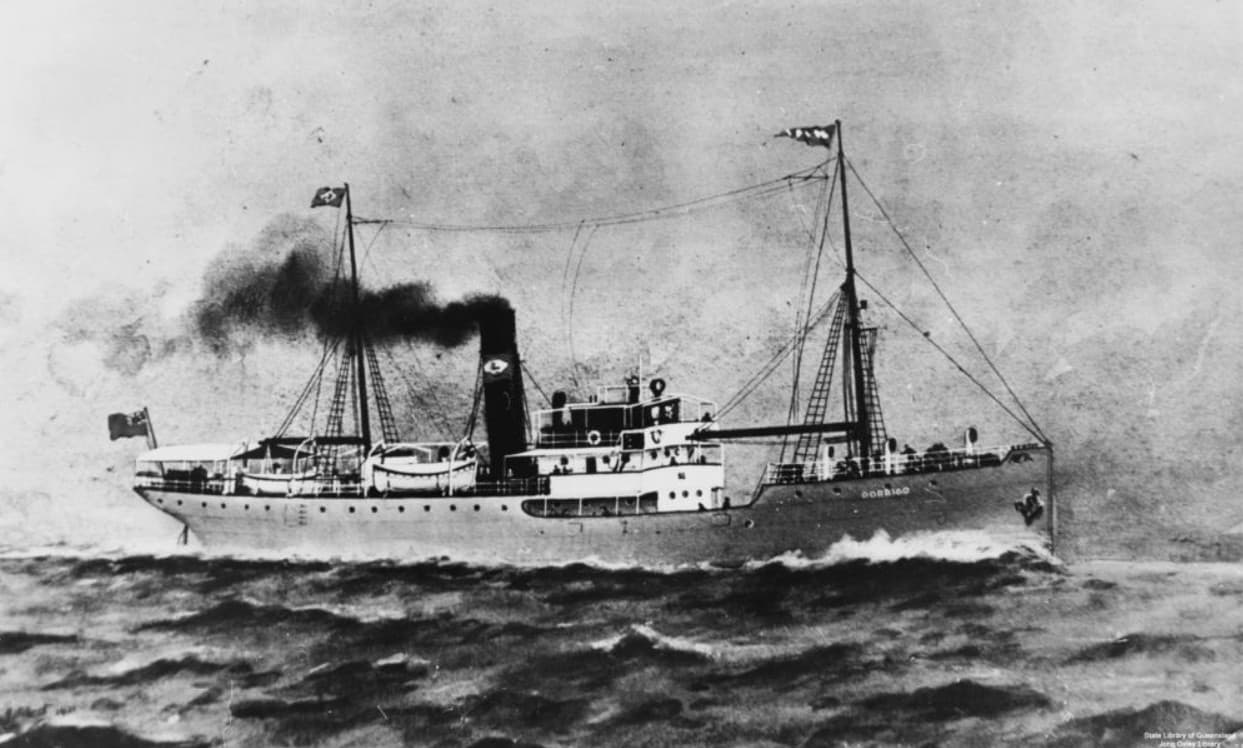
1913Built in 1913 (formerly the French Saint François). Purchased in 1921 to replace the Fitzroy. It features advanced wireless telegraphy and a top speed of 14 knots.
[ View Logbook Ref ]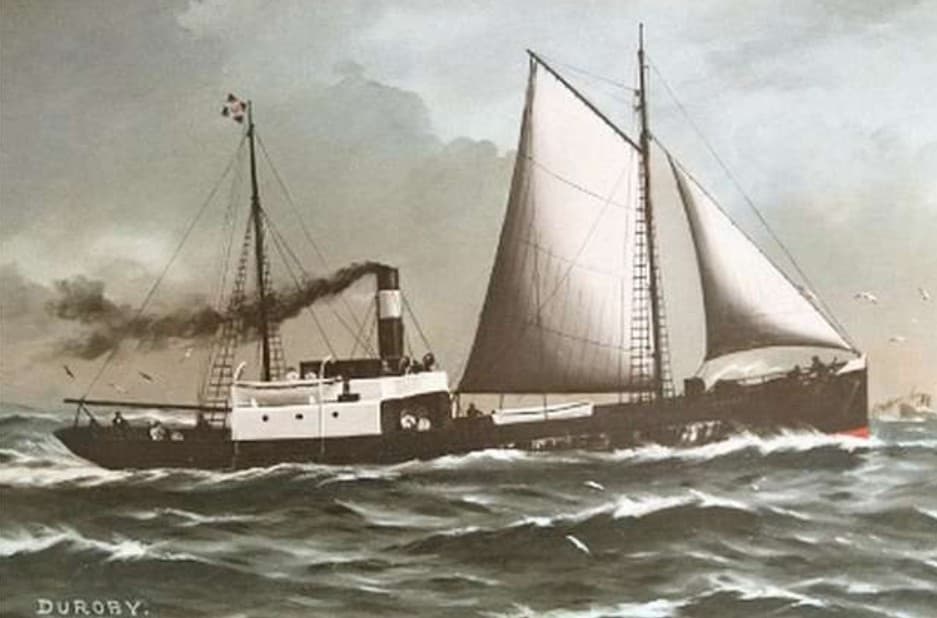
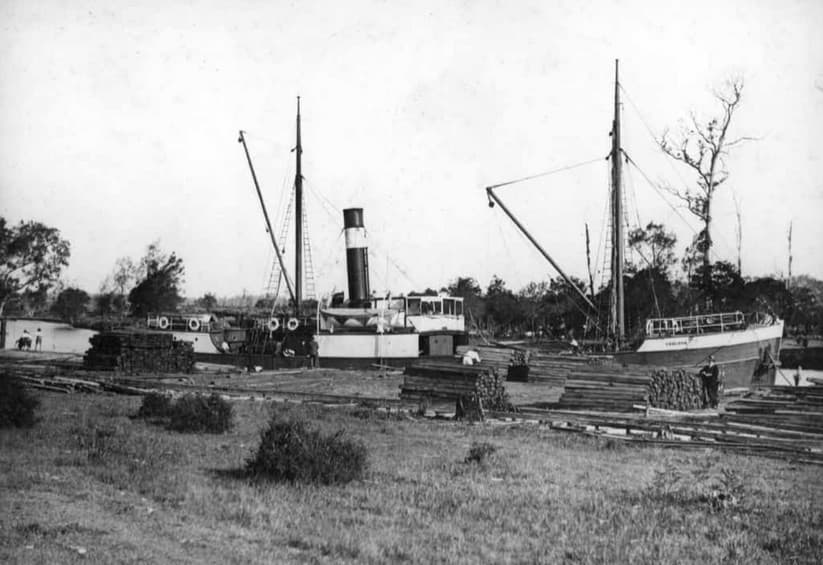
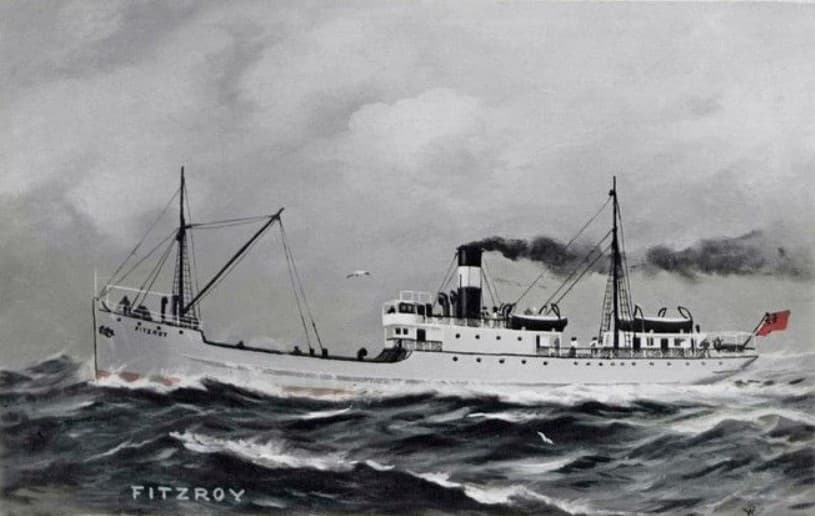
The S.S. Fitzroy
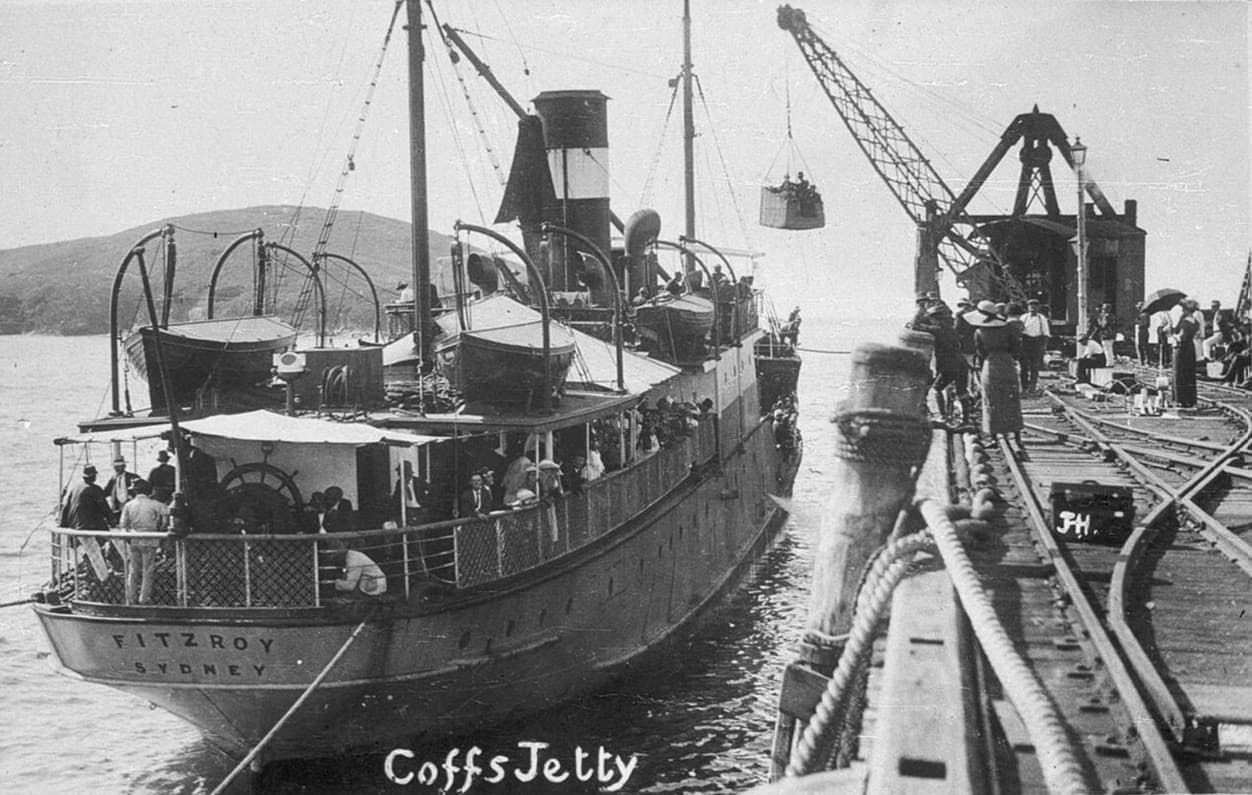
Commissioned as "Project No 438" and launched in 1912 from the shipyards of Scotland, the 623-ton steel-hulled S.S. Fitzroy was the crown jewel of the Langley Bros. fleet. Powered by triple-expansion steam engines, she reliably ran the treacherous Coffs Harbour to Sydney route until June 1921, when a cyclonic easterly gale transformed her into the center of the North Coast's most tragic maritime disaster.