Established 1854 // New South Wales
Langley Bros.
Archive Registry // About
Langley Brothers: The Evolution of a Coastal Empire
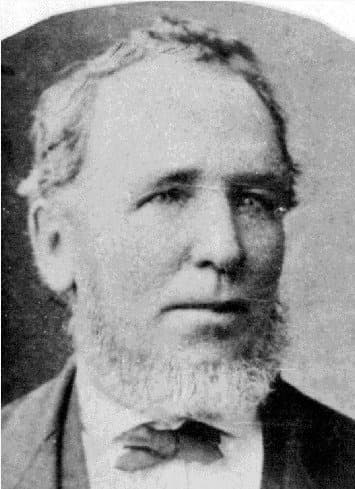
The Langley Brothers enterprise stands as a foundational pillar in the economic, social, and infrastructural development of the New South Wales (NSW) North Coast. Established in 1854 by Robert John Langley (often recorded as Robert T. Langley), the firm initially operated a modest fleet of small sailing vessels along the southern coast of NSW before making a highly strategic pivot northward. In the mid-to-late nineteenth century, the North Coast was a rugged, heavily forested frontier defined by isolated cedar cutters, scattered agricultural settlements, and notoriously treacherous river bars. During this era, the Langley Brothers' schooners and ketches served as the primary, and frequently the sole, lifeline connecting these remote communities to the commercial hub of Sydney.
Initially, the firm capitalised on the extraction of "red gold"—the highly sought-after Australian red cedar—alongside sugar from the Tweed River and agricultural produce from the coastal hinterlands. The maritime operation expanded significantly under the management of the founder’s sons, Alfred and Robert R. Langley, who assumed operational control of the shipping division in 1900. Recognising the inherent economic limitations and extreme physical dangers of weather-dependent sail power, the second generation orchestrated a rapid and highly successful transition to steam navigation. This modernisation catalysed a shift from erratic supply runs to scheduled maritime services, fostering regional economic stability and enabling the growth of the dairy, timber, and nascent tourism industries.
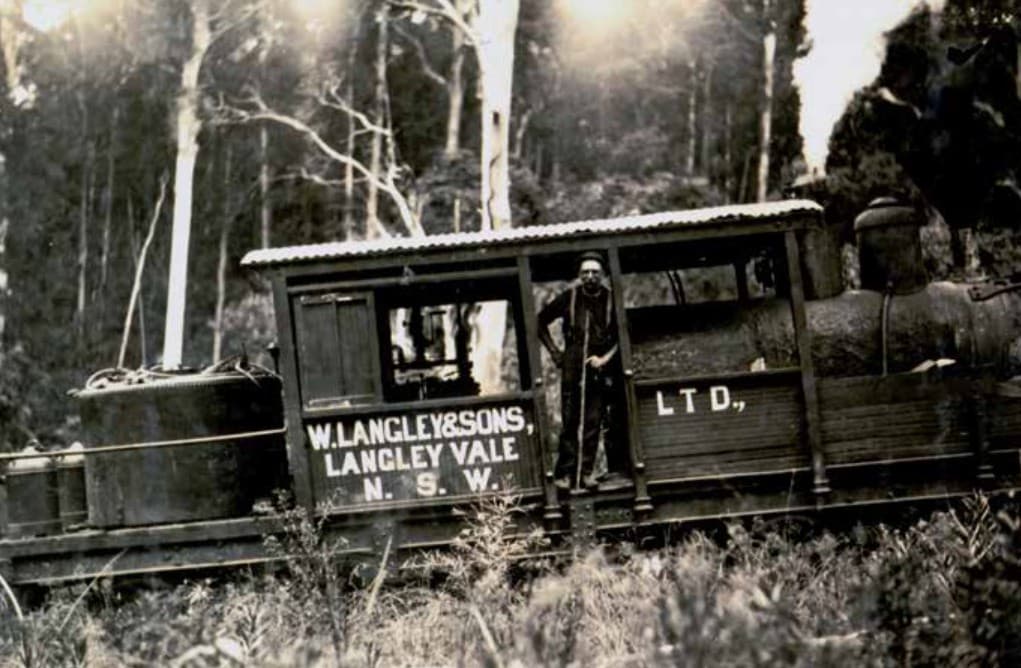
Simultaneously, the family diversified its investments through aggressive vertical integration. William Edwin Langley, another of the brothers, spearheaded the firm's vast timber extraction and sawmilling operations at Langley Vale on the Lansdowne River.[1][2]By the early twentieth century, the Langley Brothers commanded a multifaceted industrial empire encompassing passenger and cargo steamer routes, a dedicated tug fleet at Tweed Heads, coastal dredging operations, and a massive timber mill supported by a 20-kilometre narrow-gauge logging tramway.[3]
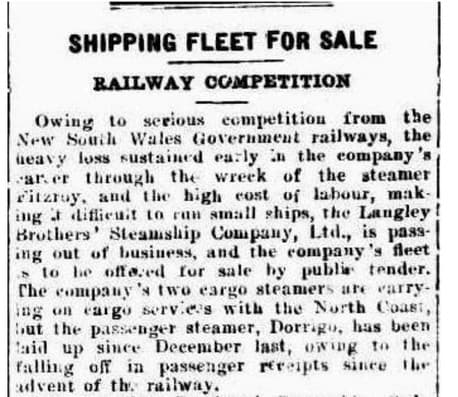
Despite its immense success and an enduring reputation for equitable business dealings, the maritime enterprise was ultimately outpaced by terrestrial infrastructure. The dramatic expansion of the NSW Government Railways following World War I introduced faster, cheaper, and all-weather transport alternatives that undermined the economic viability of coastal shipping. The shipping arm of the Langley Brothers went into voluntary liquidation and was absorbed by the North Coast Steam Navigation Company in 1925. Meanwhile, the Langley Vale timber operations endured through the Great Depression, utilising innovative cooperative labour systems and agricultural diversification, before finally being sold in the 1930s.[4]
Navigating the Decades
The Frontier Entrance
"Without the schooners crossing the bar, the river settlements would have simply ceased to exist."
Operating small sailing vessels along the south coast before expanding northward, the firm became the essential thread stitching remote communities to the wider world.
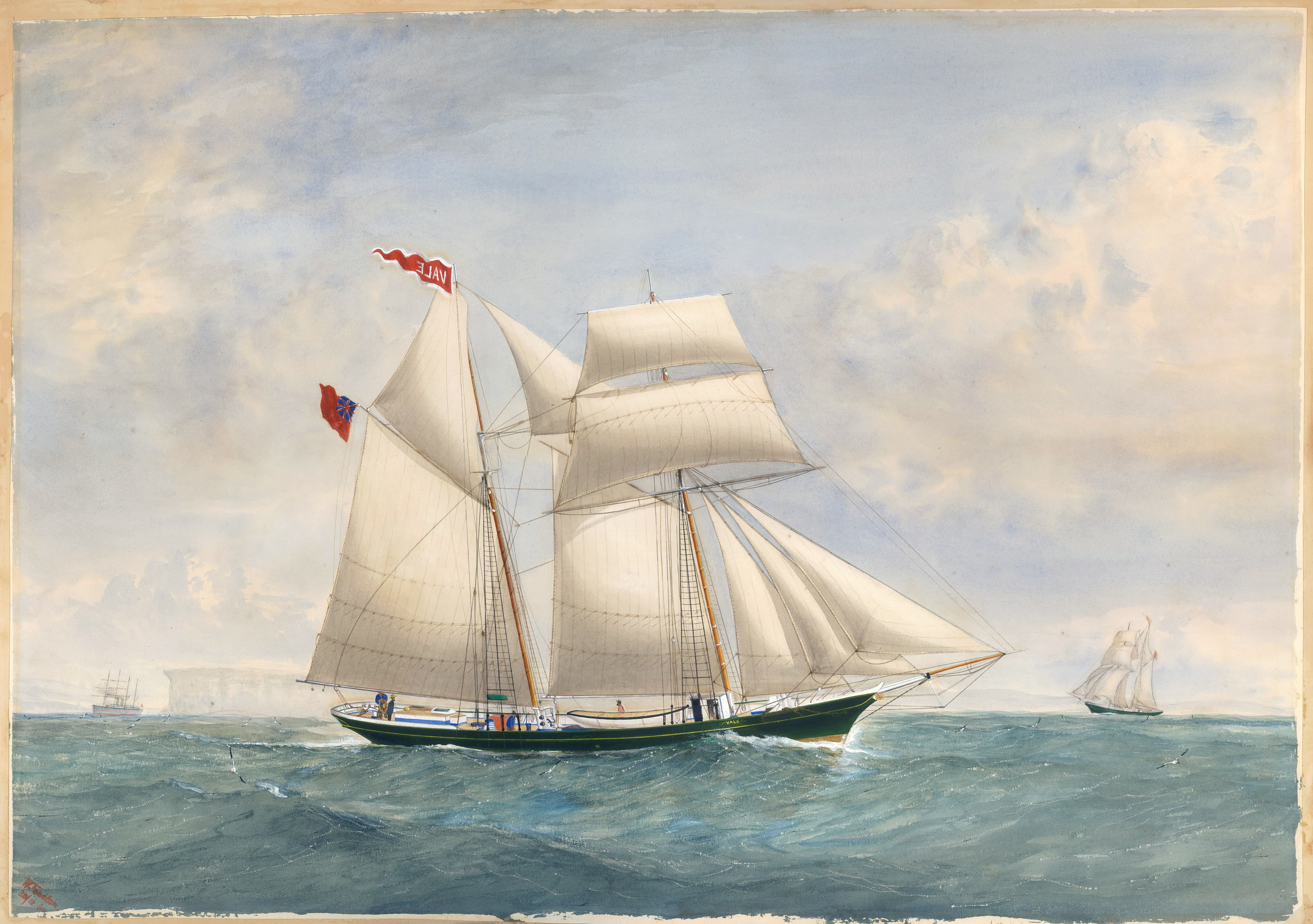
The Rise of Sail
"The sight of a Langley house flag on the horizon meant flour, mail, and salvation."
The Langley schooners became lifelines, bringing flour, mail, and tools—often arriving just in time to prevent starvation.
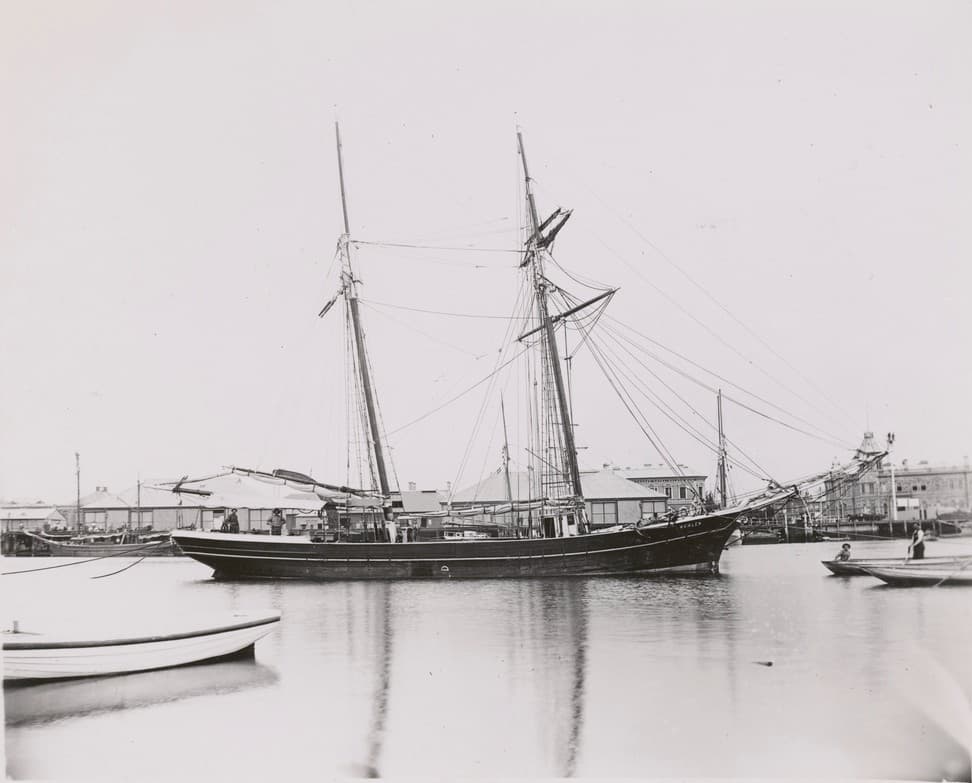
Transition to Steam
"Steam conquers the tide; the Duroby stands as a testament to local ingenuity and grit."
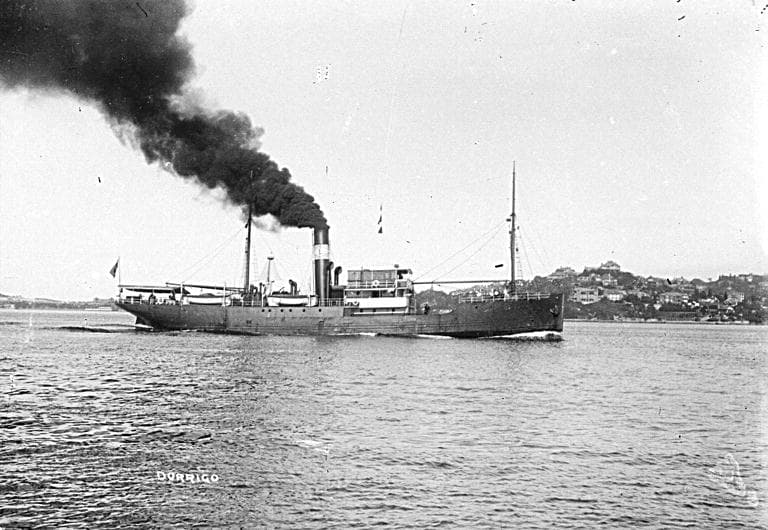
Alfred and Robert R. Langley modernised the fleet, transitioning from sail to steam to ensure reliable scheduling through treacherous coastal waters.
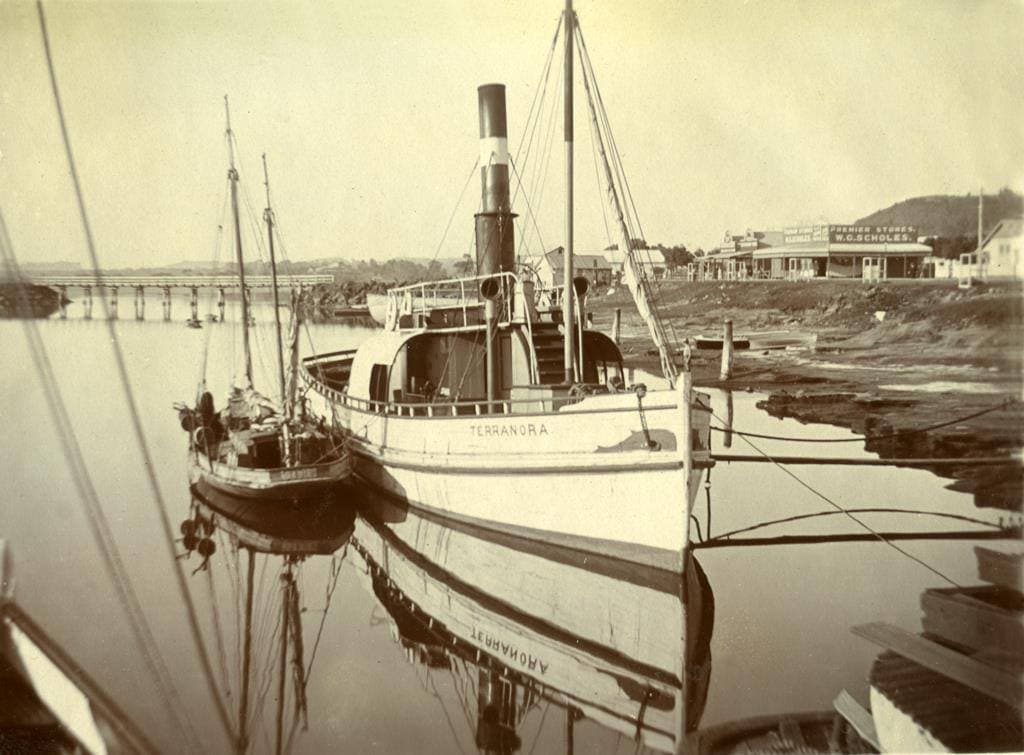
The Peak Years
"The Langley name commands respect in every port from Sydney to the Tweed."
The Langley house flag was a symbol of magnificent service. They operated passenger routes, tug fleets at Tweed Heads, dredging, and sawmilling.
Railways & Decline
"The iron horse stops for no tide, and against it, the coastal steamer cannot hold."
The expansion of the NSW Government Railways offered faster, all-weather transport. The era of the small coastal shipping line began to fade.
The Living Legacy
"A legacy forged in cedar, coal, and the courage of the coastal mariner."
Langley Brothers went into voluntary liquidation in 1925, but their legacy endured in the river-side communities they helped establish.
Map the Living Legacy
The history of the Langley Brothers does not end in 1925. The descendants of Robert John Langley now span the globe. We invite you to explore the continuing family tree, share your records, and contribute to the expanding digital archive.